
Exploring the Cultural Meaning of Motifz in Indian Fashion Heritage

Indian fashion is a vibrant tapestry woven with centuries of tradition, artistry, and symbolism. Among its many fascinating elements, the use of motifs stands out as a timeless expression of culture and identity. As someone deeply passionate about fashion, I find the heritage of motifs in Indian attire both inspiring and empowering. These intricate designs are not merely decorative; they carry stories, beliefs, and values that have been passed down through generations. Today, I invite you to explore with me the cultural meaning of motifs in Indian fashion and how they continue to influence contemporary styles.
The Cultural Meaning of Motifz in Indian Textiles
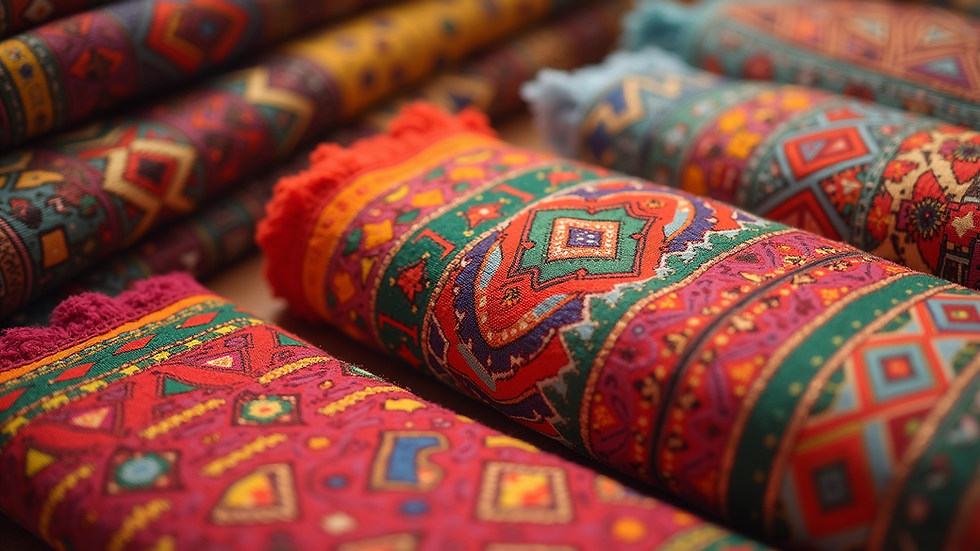
Motifs in Indian textiles are more than just patterns; they are visual narratives that reflect the country’s diverse cultural landscape. Each motif carries a unique significance, often rooted in mythology, nature, or spirituality. For example, the paisley motif, known locally as "mango" or "ambi," symbolizes fertility and life. It has adorned fabrics for centuries and remains a popular choice in modern fashion.
Similarly, the lotus flower motif represents purity and enlightenment, frequently appearing in bridal wear and festive garments. Animal motifs like elephants and peacocks are also common, symbolizing strength, wisdom, and beauty. These designs are meticulously hand-block printed or embroidered, showcasing the skill and dedication of Indian artisans.
Understanding the cultural meaning behind these motifs enriches our appreciation of Indian fashion. It connects us to a heritage that values storytelling through fabric, making each garment a piece of living history.

The Evolution of Motifs in Contemporary Indian Fashion
While rooted in tradition, Indian motifs have gracefully evolved to meet the tastes of today’s fashion-forward individuals. Designers now blend classic motifs with modern silhouettes and global trends, creating a fresh yet respectful homage to heritage. This fusion appeals especially to young women and millennials who seek unique, stylish apparel that resonates with their cultural identity.
For instance, hand block prints featuring traditional motifs are being used on contemporary cuts like crop tops, palazzo pants, and fusion dresses. This approach not only preserves the artistry but also makes it accessible and relevant to a global audience. The use of sustainable fabrics and eco-friendly dyes further enhances the appeal, aligning with the values of conscious consumers.
By embracing innovation while honoring tradition, Indian fashion continues to thrive as a dynamic and inclusive expression of culture.
The Role of Motifs in Regional Indian Fashion Traditions
India’s vast geography is home to a multitude of regional fashion traditions, each with its distinctive motifs and techniques. Exploring these regional styles reveals the rich diversity and localized meanings embedded in Indian fashion.
Rajasthan and Gujarat: Known for vibrant bandhani (tie-dye) and mirror work, motifs here often include geometric shapes and floral patterns symbolizing joy and celebration.
West Bengal: The intricate kantha embroidery features motifs inspired by nature, such as birds and flowers, representing harmony and prosperity.
Punjab: Phulkari embroidery uses bright floral motifs that convey happiness and fertility, traditionally worn during weddings and festivals.
South India: Temple borders and motifs inspired by temple architecture and mythology are common in silk sarees, reflecting devotion and grandeur.
Each region’s motifs tell a story unique to its culture and environment, offering a fascinating glimpse into India’s multifaceted heritage.
How to Incorporate Traditional Motifs into Your Wardrobe
Integrating traditional Indian motifs into your everyday wardrobe can be both stylish and meaningful. Here are some practical tips to help you embrace this heritage with confidence:
Start Small: Begin with accessories like scarves, bags, or jewelry featuring traditional motifs. These pieces add a subtle cultural touch without overwhelming your look.
Mix and Match: Pair motif-printed tops or skirts with neutral basics to create balanced outfits that highlight the design.
Choose Versatile Pieces: Opt for garments like kurtas, tunics, or dresses that can be dressed up or down for various occasions.
Experiment with Fusion: Combine traditional motifs with contemporary cuts or fabrics to create unique ensembles that reflect your personal style.
Support Artisans: Purchase from brands and designers who collaborate with local craftsmen, ensuring authenticity and ethical production.
By thoughtfully incorporating motifs, you not only enhance your style but also celebrate a rich cultural legacy.
The Future of Indian Motifs in Global Fashion
The global fashion landscape is increasingly embracing cultural diversity, and Indian motifs are gaining well-deserved recognition. As a fashion enthusiast, I see immense potential for these designs to inspire new trends worldwide. The blend of traditional hand block prints with modern aesthetics offers a fresh perspective that resonates with millennials seeking authenticity and uniqueness.
Brands like motifz are leading this movement by empowering young women with apparel that boosts confidence and honors heritage. Their commitment to blending Indian craftsmanship with global trends creates a distinct style that appeals to a broad audience.
Looking ahead, I believe Indian motifs will continue to evolve, inspiring designers and wearers alike to celebrate culture through fashion in innovative and meaningful ways.
Exploring the heritage of motifs in Indian fashion reveals a world where art, culture, and identity intertwine beautifully. These timeless designs offer more than aesthetic appeal - they connect us to stories, traditions, and values that enrich our lives. By embracing motifs in our wardrobes, we carry forward a legacy of creativity and cultural pride, making every outfit a statement of heritage and style.


Comments