
The Art of Hand Block Printing on Fabric A Timeless Craft Technique

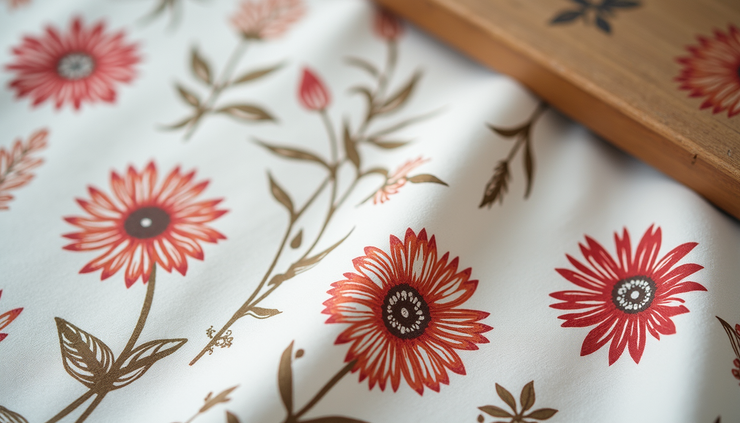
Hand block printing on fabric remains one of the most captivating and enduring textile crafts. This technique, which involves stamping patterns onto cloth using carved wooden blocks, has been practiced for centuries across various cultures. Its charm lies in the unique textures and designs it creates, which machine printing cannot replicate. This post explores the process, history, and practical tips for hand block printing, helping you appreciate this craft or even try it yourself.
Origins and Cultural Significance
Hand block printing has deep roots in regions like India, China, and parts of the Middle East. In India, for example, the craft dates back over 4,000 years and is closely tied to traditional textile production. Different regions developed distinct styles, such as the intricate motifs of Rajasthan or the bold patterns of Gujarat.
This technique was not only a way to decorate fabric but also a form of storytelling and cultural expression. Patterns often symbolized nature, mythology, or social status. Even today, artisans continue to pass down these designs, preserving heritage and supporting local economies.
How Hand Block Printing Works
The process begins with carving a design into a wooden block, usually made from teak or sheesham wood. The block acts like a stamp. Here’s a simplified overview of the steps:
Design carving: Skilled artisans carve intricate patterns into the block’s surface.
Preparing the fabric: The fabric is washed and stretched on a flat surface to ensure smooth printing.
Applying dye: The block is dipped into natural or synthetic dyes.
Stamping: The block is pressed firmly onto the fabric, transferring the design.
Repeating the pattern: The block is aligned carefully to create continuous or repeating patterns.
Drying and fixing: The printed fabric is dried and sometimes heat-treated to fix the colors.
This hands-on method allows for slight variations in each print, giving the fabric a unique character.
Materials and Tools Needed
To try hand block printing, you will need:
Wooden blocks: Pre-carved blocks are available, or you can carve your own.
Fabric: Cotton, silk, and linen work best due to their absorbency.
Dyes: Natural dyes like indigo, madder, or turmeric offer authentic colors. Synthetic dyes provide a wider color range.
Printing surface: A flat table or board covered with a soft cloth to absorb excess dye.
Other tools: Trays for dye, brushes for touch-ups, and weights to hold fabric in place.
Using natural dyes requires some knowledge of mordants (fixatives) to ensure colors stay vibrant after washing.
Practical Tips for Beginners
Starting hand block printing can be rewarding but requires patience and practice. Here are some tips to get you started:
Choose simple designs: Begin with geometric shapes or floral patterns that are easier to align.
Test on scrap fabric: Practice stamping to get a feel for pressure and dye amount.
Keep blocks clean: Wipe blocks regularly to avoid smudging.
Work in small sections: This helps maintain alignment and prevents dye from drying too fast.
Use a light touch: Press firmly but avoid excessive force that can blur the design.
Experiment with colors: Layering different colors can create depth and interesting effects.
Modern Uses and Sustainability
Hand block printing is not just a traditional craft; it has found a place in modern fashion and home decor. Designers use it to create limited-edition fabrics, scarves, and upholstery with a handcrafted feel. The slow, manual process contrasts with mass production, appealing to consumers who value authenticity and sustainability.
This technique also supports eco-friendly practices. Many artisans use natural dyes and organic fabrics, reducing chemical waste. Buying hand block printed textiles helps sustain these craftspeople and promotes ethical fashion.
Challenges and Preservation Efforts
Despite its beauty, hand block printing faces challenges. The labor-intensive process means higher costs and slower production. Younger generations sometimes prefer factory jobs, leading to a decline in skilled artisans.
To preserve this craft, organizations and governments have launched initiatives to train new artisans, promote fair trade, and raise awareness about the cultural value of hand block printing. Supporting these efforts by choosing hand block printed products helps keep the tradition alive.


Comments